The Nudge Effect — Behavioral Design
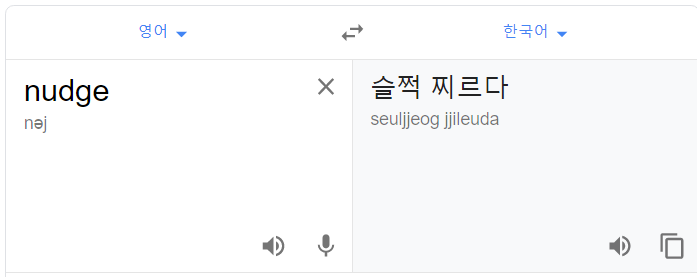
The term "nudge," meaning a gentle push, became widely known through the book Nudge by Richard Thaler, the 2017 Nobel Prize laureate in Economics.
The Nudge Effect, as described by Professor Thaler, refers to subtly intervening in a situation to guide someone toward a desired choice — without coercion — when there is a specific objective in mind.
For example, suppose you want people to take the stairs instead of the escalator.
The most common coercive approach would be: "Just take the stairs!" or "Escalator prohibited! Use the stairs!"
But humans are wired to want to do the opposite of what they are told not to do.
So those approaches are not effective.
Is there a better way?
Let us look at an interesting case study.
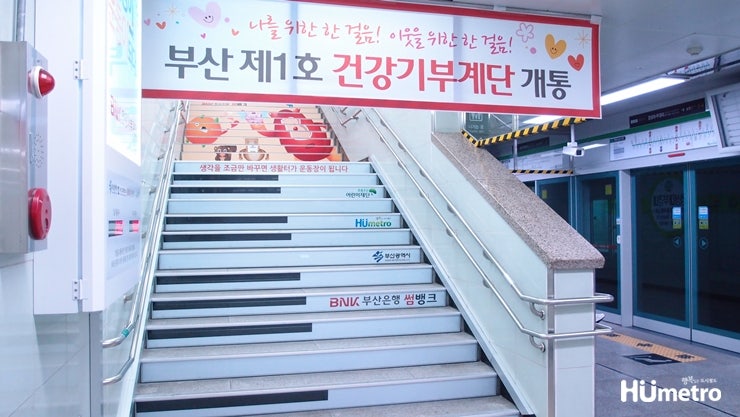
At the Pukyong National University / Kyungsung University station in Busan, there are piano stairs.
From a purely rational standpoint, most people would choose the efficient escalator or elevator over stairs.
However, by combining a piano with the staircase, people become curious and are naturally drawn to choose the stairs.
This is a prime example of the Nudge Effect in action.
I believe this concept can be incredibly useful in UI/UX design and advertising.